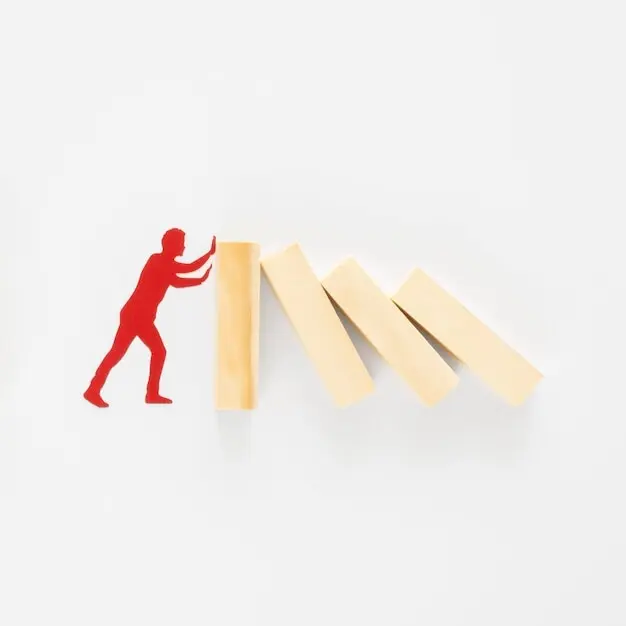
Build Unbreakable Focus with Stoic Habit Stacks

Step into a workday that feels steady, intentional, and deeply yours. We’ll dive into Stoic habit stacking for focused workdays, translating timeless insights from Marcus Aurelius, Seneca, and Epictetus into simple, linked actions you can practice consistently. Expect small, repeatable moves that calm the mind, sharpen attention, and turn ordinary moments—like sipping coffee or opening your laptop—into powerful cues for clarity, courage, and meaningful progress.

A Calm Start That Sets the Tone

Morning momentum begins with the smallest reliable signal. By pairing a grounding breath with a brief reflection and a single, deliberate sentence of intent, you transform waking up into a reliable runway. This approach lowers cognitive load, reduces decision fatigue, and signals your mind that attention is a choice, not a mood. Done consistently, it builds dignity into ordinary routines and protects your first fresh minutes from noise.

One Breath, One Intention

Inhale for four, pause for two, exhale for six, then quietly name the quality you will practice today: patience, courage, or clarity. This simple pairing creates a dependable anchor. Over days, it becomes a micro-ritual that steadies emotions, reminds you what matters, and guides the next action without drama, perfectly setting the stage for deeper, focused work.

Premeditation of Friction

Before opening messages, anticipate three likely obstacles: a long meeting, a tricky decision, or a vague request. Name how you will respond with composure and boundaries. This premeditation reframes bumps as expected terrain rather than emergencies. You conserve willpower, feel less ambushed, and convert potential irritation into practice reps for steadiness and purposeful attention.

Commitment Cue: Mug, Sunlight, Notebook

Link your first sip of coffee or tea with standing by a window and writing one sentence that defines your highest-value outcome. Physical cue, light, and ink form a trifecta. You are no longer waiting for motivation; you are stacking signals. Over time, the body anticipates calm focus the way athletes anticipate the opening whistle.

Designing a Reliable Stack

A robust stack depends on clear anchors, friction-aware sequencing, and visible feedback. Choose an anchor you already do daily, attach a tiny action that always fits, and end with a satisfying afterglow—like checking one box or savoring a breath. This design respects human energy, reduces excuses, and makes success feel immediately rewarding, turning consistency from aspiration into architecture.

Deep Work the Stoic Way

Focused sessions thrive when you choose what is yours to control, accept what is not, and act where it matters. Translate the dichotomy of control into task selection, pair it with time boundaries, and keep your attention on the present segment, not hypothetical futures. This mindset shortens hesitation, preserves energy, and helps meaningful work survive modern noise.

Resilience When Plans Collide

Interruptions are inevitable, yet they need not hijack your day. Craft a protocol that transforms disruption into the next link in your stack: a quick breath, a clarifying question, a boundary offered with respect. By rehearsing this sequence, you avoid resentment and regain direction faster, turning turbulence into training for composure, clarity, and purposeful momentum.
When someone pings, pause one breath, acknowledge kindly, and ask for specificity or timing: “What outcome is needed, and by when?” If urgent, schedule a tight window; if not, propose an async path. Practiced weekly, this script keeps goodwill intact while protecting your highest leverage, transforming chaotic moments into predictable, respectful collaboration.
If a meeting overruns, stack a ninety-second reset immediately afterward: stand, shoulder roll, two calm breaths, then rewrite your priority in one present-tense sentence. You are not starting over; you are continuing. This tiny hinge preserves momentum and prevents the common spiral where one delay justifies abandoning the rest of the plan.

Energy, Body, and Mind Working Together

Cognition rides on physiology. If you want attention that lasts, stack small physical practices with mental clarity rituals. Tiny posture cues, light movement, hydration, and brief outdoor moments change your brain’s chemistry enough to matter. Pair these with intentional self-talk grounded in Stoic virtues, and your workday gains both stamina and steadiness without theatrics.
Every time you touch the keyboard, lift the crown of your head and relax your jaw. This micro correction improves breathing mechanics and reduces tension that drains attention. Pair it with one acceptance thought—“I meet this task as it is.” Over days, the body becomes a quiet ally instead of a hidden saboteur.
Choose gentle, safe challenges: a cool-water rinse for fifteen seconds, a brisk stair climb, or finishing a task before checking messages. These are not punishments; they are training for choosing the useful over the easy. Practiced kindly, they inoculate against avoidance and make disciplined focus feel normal, even satisfying, throughout the day.
Link your mid-morning snack to a minute of reflection and water. Keep choices simple and repeatable to reduce decision noise. The point is reliability, not perfection. Stable energy protects attention, and the ritual frame reinforces identity: you are someone who chooses clarity over impulse, especially when work requires sustained depth.

Three Lines of Judgment

Write one sentence for each: what went well, what you would refine, what remains outside your control. Keep it factual and brief. This practice integrates humility with confidence. You learn without harshness, preserve dignity, and end the day anchored in reality rather than in anxious speculation or heroic storytelling.

Gratitude That Grounds, Not Glorifies

Note a specific moment where someone helped or circumstances aligned. Avoid generic praise; choose concrete detail. Gratitude redirects attention from scarcity to sufficiency, making tomorrow’s effort feel supported rather than desperate. This is not cheerleading; it is calibration. A calmer nervous system remembers priorities and enters rest with less friction.

Prepare Tomorrow’s First Move

Lay out the first document, write the first sentence starter, and place a visible cue where you will see it immediately. Preloading removes morning hesitation. It turns intention into architecture that catches you when motivation is thin, ensuring your next focused session begins swiftly and with satisfying purpose.
Tarinilovelto
Privacy Overview

This website uses cookies so that we can provide you with the best user experience possible. Cookie information is stored in your browser and performs functions such as recognising you when you return to our website and helping our team to understand which sections of the website you find most interesting and useful.